CADERNOS DE ARTISTA
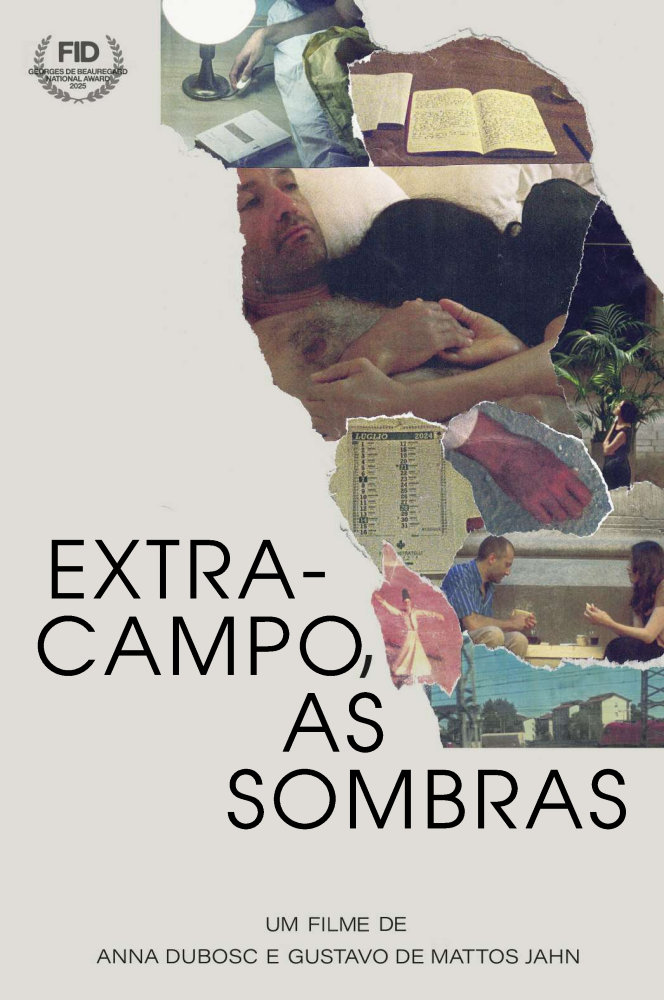
Extra-Campo, As Sombras
2025, 61min, SC/ITA/FRA

26/06| 17h
Cinemateca Capitólio
Extra-Campo, As Sombras
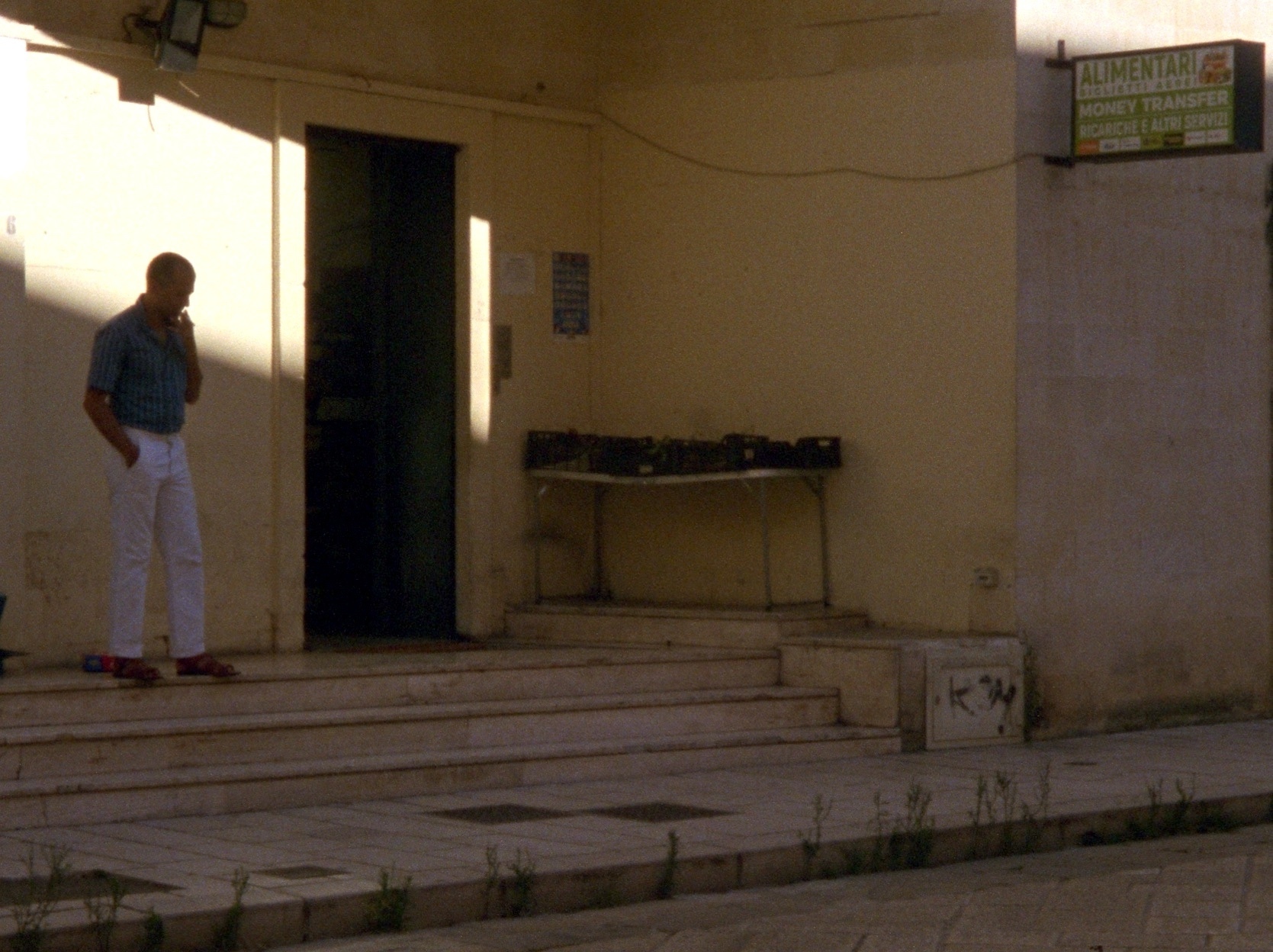
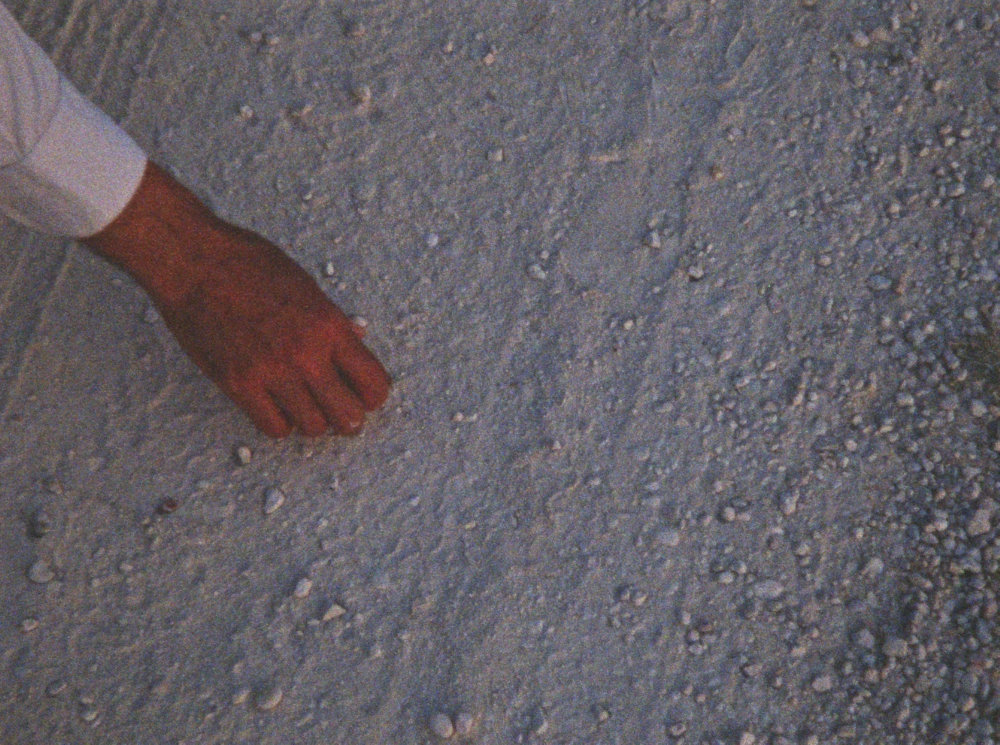
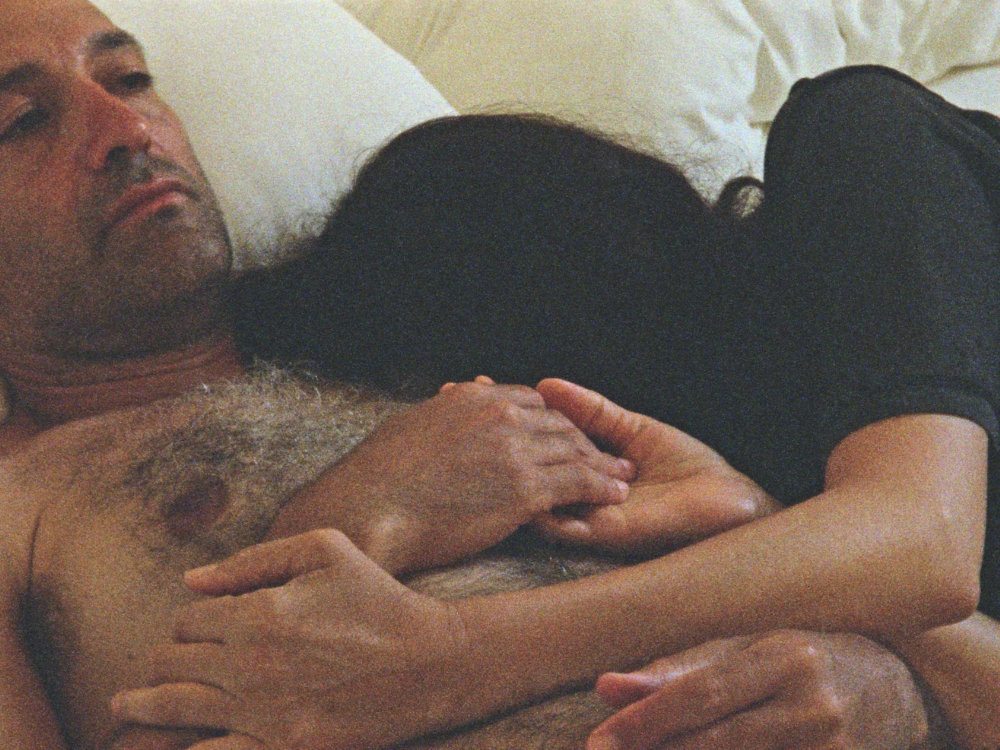
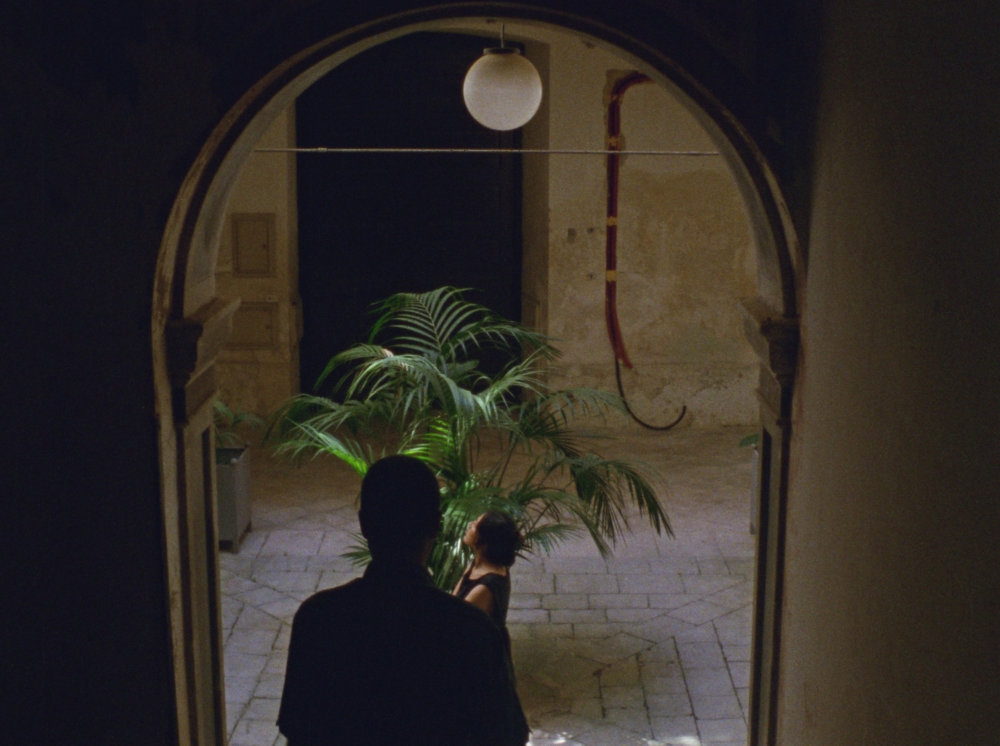
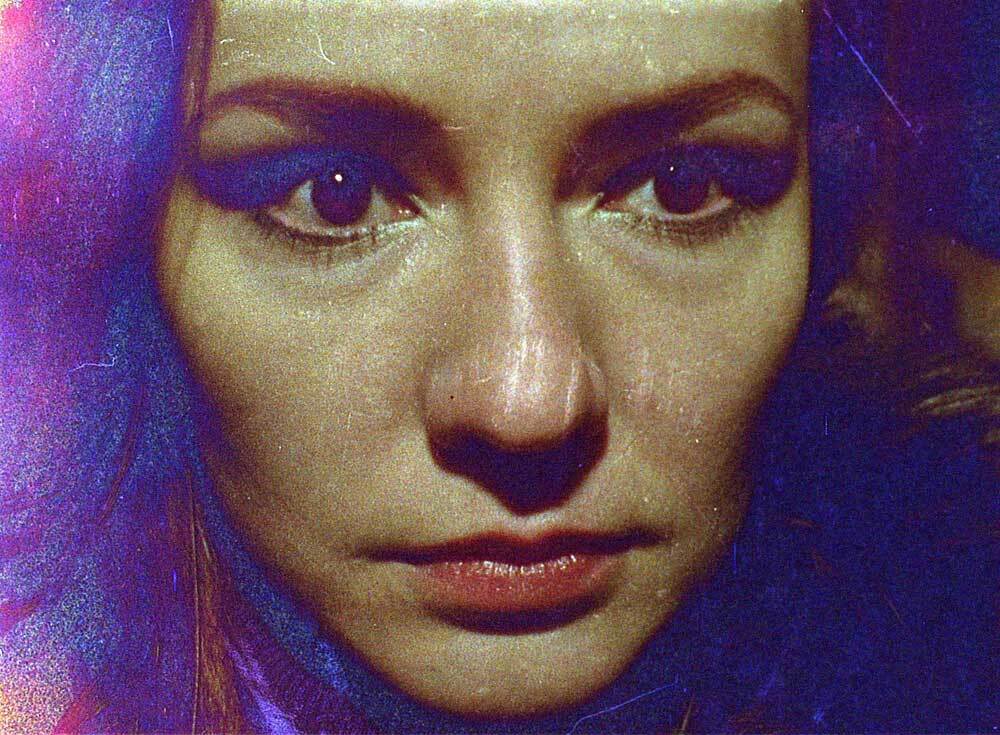
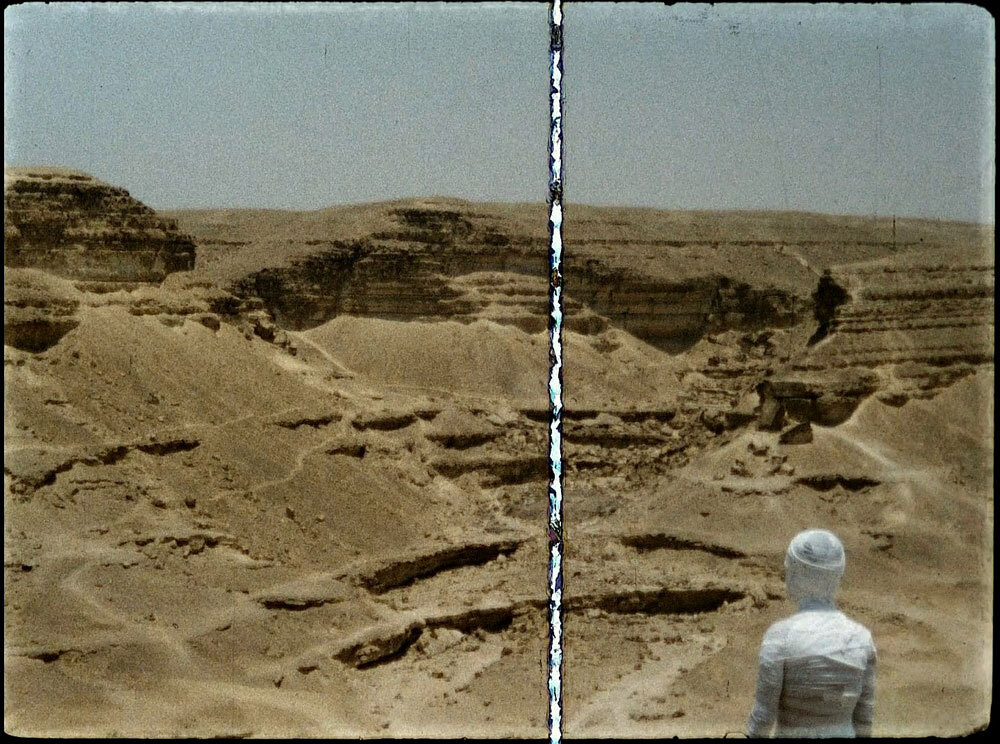
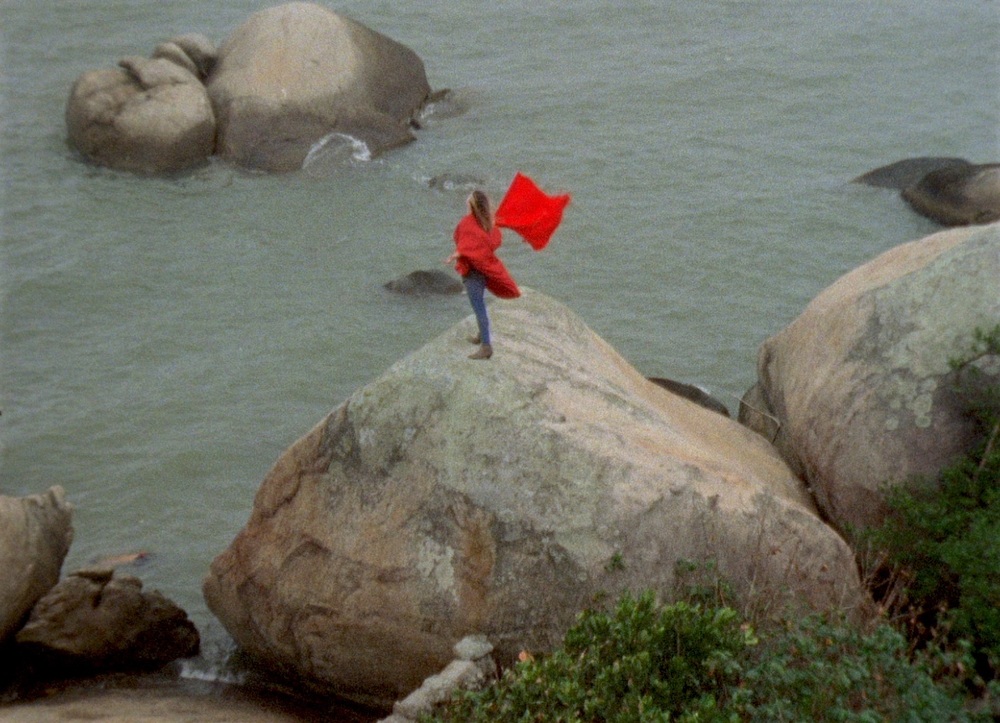
Uma escritora, um cineasta, uma viagem à Itália: um diário íntimo a duas vozes em que se misturam o desejo e a dificuldade de amar, a literatura, o cinema, as paisagens e os espaços que decidimos habitar.
Ficha técnica
Direção: Anna Dubosc e Gustavo de Mattos Jahn
Roteiro: Anna Dubosc e Gustavo de Mattos Jahn
Produção: Anna Dubosc e Gustavo de Mattos Jahn
Produção Executiva: Anna Dubosc e Gustavo de Mattos Jahn
Direção de Fotografia: Anna Dubosc e Gustavo de Mattos Jahn
Direção de Arte: Anna Dubosc e Gustavo de Mattos Jahn
Som: Anna Dubosc e Gustavo de Mattos Jahn
Montagem / Edição: Anna Dubosc e Gustavo de Mattos Jahn
Elenco: Anna Dubosc, Gustavo de Mattos Jahn, Alli Papes, Fabrice Dubosc, Carlo Caccavo, Amina, Simona Camponi, Omar Dieye, Stefania Saracini
Personagens Reais Principais: Anna Dubosc e Gustavo de Mattos Jahn
Mixagem: Benoît Héry
BIOGRAFIA DA ARTISTA
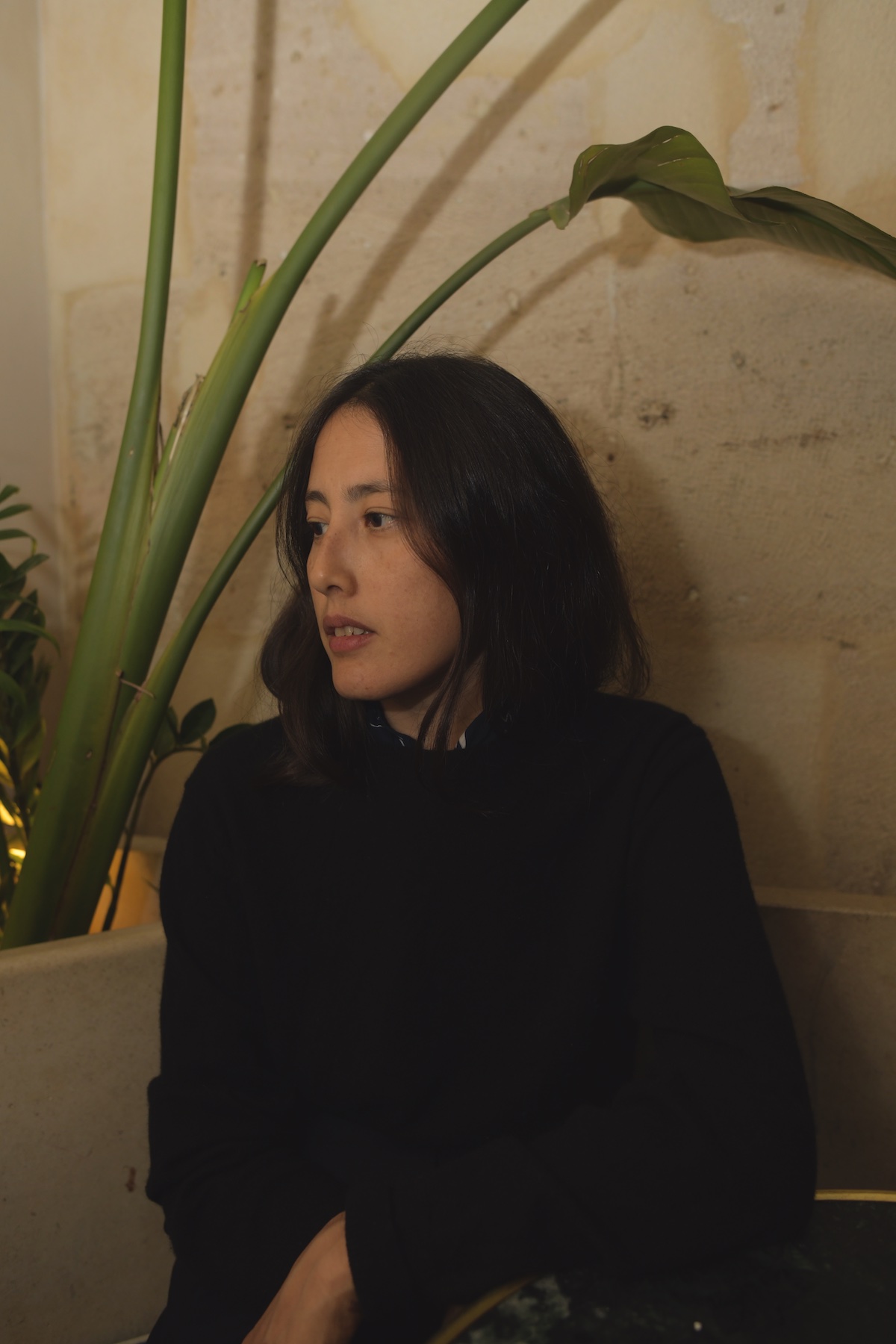
ANNA DUBOSC é uma escritora francesa que vive e trabalha em Paris. Começou publicando em várias revistas (Purple, Citizen K, Libération, Something, Addict-culture) e criou o fanzine Ce soir com o artista e ilustrador Stéphane Argillet. É autora da coletânea de contos Spéracurel (2010) e de três romances: La Fille derrière le comptoir (2012), Le Dessin des routes (2014) e Nuit synthétique (2018), além do romance Koumiko (2016), todos publicados pela Rue des Promenades. A editora Quidam publicou sua trilogia sobre sua relação com a mãe, cuja última parte, Plus vivant que la vie (Mais vivo do que a vida), foi finalista do Grande Prêmio Societé de Gens de Lettres de Ficção. Hors-Champ, les ombres é seu primeiro filme.
BIOGRAFIA DO ARTISTA
GUSTAVO DE MATTOS JAHN começou a fazer filmes e realizou suas primeiras exibições em Porto Alegre em 2001. Após se mudar para Berlim em 2006, fundou a dupla Distruktur com a cineasta e artista visual Melissa Dullius. Seus filmes foram exibidos em diversos festivais, como a Berlinale, Festival Internacional de Cinema de Turim, Festival Internacional de Cinema de Melbourne, a Mostra de Cinema de São Paulo, Videobrasil e Internationale Kurzfilmtage Oberhausen. Seu trabalho também foi apresentado em exposições na Berlinische Galerie, na The Film Gallery e no Le Plateau. “Hors-champ, les ombres” ganhou o Prêmio Nacional Georges de Beauregard no FID Marseille 2025.
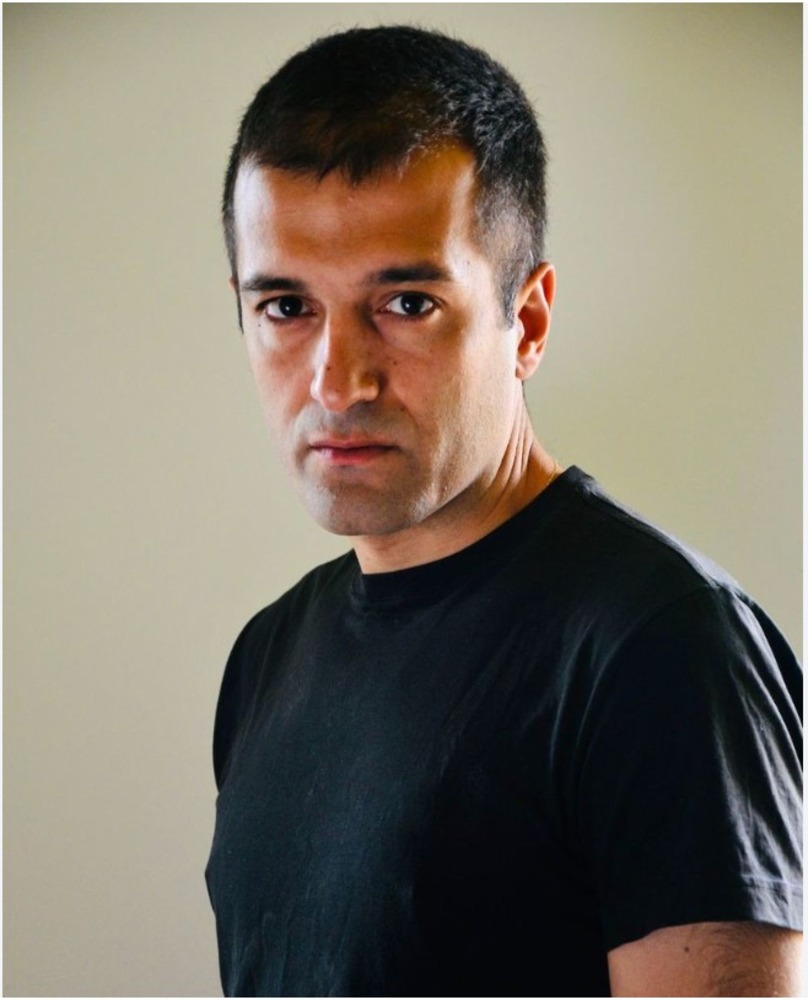
FILMOGRAFIA DE GUSTAVO
Ele vai perguntar das coisas que eu gosto, 2001, 13′
Abril, 2002, 19′
Éternau, 2006, 21′
Triangulum, 2008, 22′
Cat effekt, 2011, 40′
Don’t look back / labirinto, 2012, 6′
In the traveler’s heart, 2013, 20′
Máquina do tempo, 2014, 5′
Passeio noturno, 2015, 6′
Muito romântico, 2016, 2016′
El meraya, 2018, 19′
Kinograph, 2020, 2′
Levantado do chão, 2020, 11′
Oráculo, 2020, 60′
Tous les fleuves s’appellent le Nil, 2021, 8′
Les images où tu n’es pas, 2022, 35′
Ora tutto e silenzio, 2022, 8′
Ce que je vois, l’eau transparente, 2025, 18’
Hors-Champ, les ombres, 2025, 61’
Enigma de S., 2026, 64′
Em Busca de S, 2026, 15′
ENTREVISTA DE OLIVIER PIERRE COM OS AUTORES
Hors-champ, les ombres is your first film together. How was this collaboration born?
Gustavo: When Anna and I met, we created a cine-club with three of our friends. These programmes allowed us to share our sensitivities, our tastes and our vision on cinema. Thanks to Anna, I got closer to French contemporary literature. This collaboration arose from our relationship and our daily exchanges.
Anna: We had planned to take a trip to Italy. Gustavo had the project to film during this trip. I suggested we do the film together. It was an intuitive desire. My idea was rather one of an experience: deterritorialise my writing but also our relationship to find a shared space.
The film appears as the travel diary of a couple and a film about writing and cinema. What was the project?
G: The starting idea was to make the portrait of a place: the apartment our friend Alli lends us every time we go to Milan. Anna wrote a text about that space and about the shooting process she was discovering. These elements triggered the film. It was mostly built on contradictions: what we know and what the other knows, the desire to be and to create something together, and the possibility of an “us”.
A: We could say a posteriori that it is about a two-voice travel diary, the story of a couple, a film about cinema and writing. But I think there is a mystery peculiar to creation. I like this Flannery O’Connor quote: “The form is organic, it arises from the matter of the narrative itself”. It is something I feel in the writing and that we also experienced in this film. Nothing was preconceived, in the sense of a script. We discovered the things by doing them, that is to say by giving them this space, this possibility to reveal themselves.
TEXTO DE MANUEL ASIN
Un voyage en train à travers l’Italie, lent, doux, estival. De Milan à Venise, en passant par Rome, Lecce, Bari. Adoptant le rythme du train, le film prend son temps à chaque arrêt, se laisse bercer dans le va-et-vient du sommeil, confond ses cadres fixes avec des vues fugitives à travers les fenêtres. Le couple de voyageurs s’est lancé dans l’aventure de faire un film ensemble. Ce sera une aventure à travers la distance qui, malgré le chemin partagé, les sépare. Entre les mots avec lesquels travaille Anna et les images avec lesquelles travaille Gustavo existent les mêmes fragiles passerelles et les mêmes profondes failles que l’on peut trouver entre deux personnes, ou même entre deux moments de la biographie de la même personne.
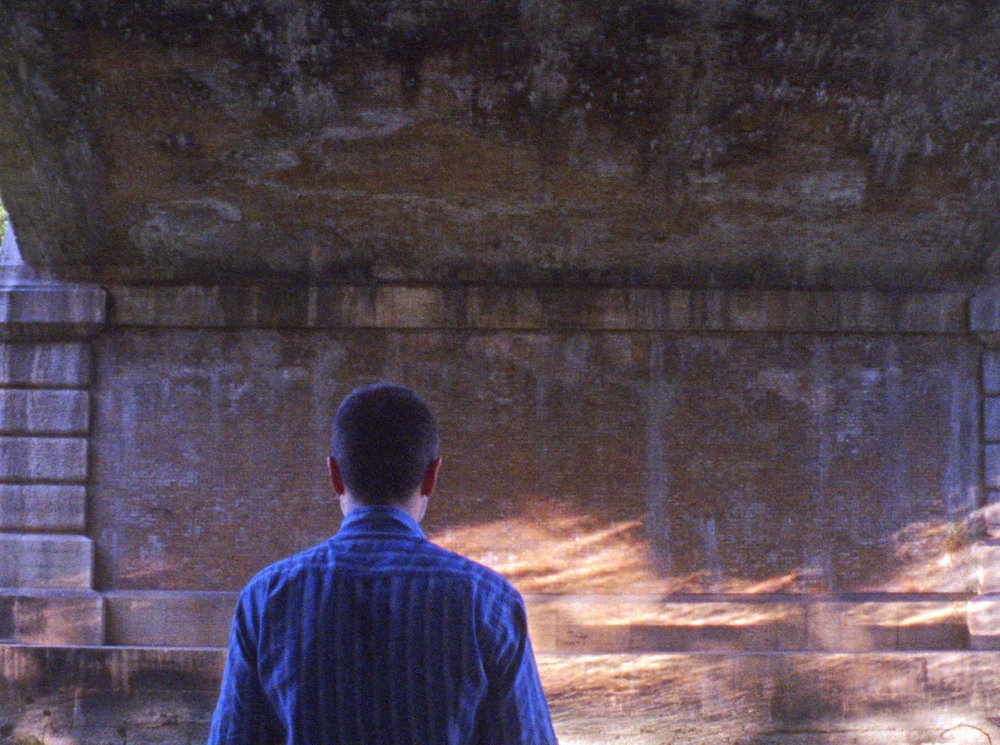
De l’art d’Anna, le film garde sa division en poèmes ou en contes, qui pourraient en réalité être aussi bien des entrées d’un journal intime que des chapitres d’un roman. De l’art de Gustavo, sa lutte amoureuse avec l’art d’Anna, cette leçon durassienne selon laquelle les images empêchent souvent d’entendre pleinement le texte, et qu’il faut des images apaisées, atténuées, voire floues, qui laissent passer les mots. À un moment donné, nous commencerons à voir à travers les yeux de l’écrivaine et à entendre la voix du cinéaste. Le grain du 16 mm, auquel Ana se méfiait au départ, finira par s’accorder à la température et à l’économie de cet été fait de dîners frugaux à base de vin, de pain et de sardines. Gustavo, de sa part, s’interrogera à haute voix, en citant Jane Sautière, au sujet d’un insaisissable ” lieu idéal de la caméra subjective : le rêve, le réalisateur et le spectateur confondus à la même place. “
Manuel Asin
A train journey through Italy – slow, gentle, summery. From Milan to Venice, via Rome, Lecce, Bari. Embracing the rhythm of the train, the film takes its time at each stop, lulled by the back-and-forth of sleep, blurring its static frames with fleeting views through the windows. The travelling couple has embarked on the adventure of making a film together. It will be a journey through the distance which, despite the path they share, separates them. Between the words Anna works with and the images Gustavo handles, there are the same fragile bridges and deep fissures that can exist between two people – or even between two moments in the life of the same person.
From Anna’s art, the film inherits its division into poems or tales, which could just as well be entries in a private diary or chapters of a novel. From Gustavo’s, it inherits his loving struggle with Anna’s art – that Durassian lesson which teaches that images often prevent us from fully hearing the text, and that one needs calm, softened, even blurred images that allow the words to come through. At a certain point, we begin to see through the eyes of the writer and hear the voice of the filmmaker. The grain of the 16mm film, which Anna was initially wary of, ends up matching the tone and frugal economy of that summer – a season made of modest dinners of wine, bread and sardines. Gustavo, for his part, will wonder aloud – quoting Jane Sautière – about an elusive “ideal place of the subjective camera: the dream, the filmmaker and the viewer merged into one and the same place.”
Manuel Asin
DIÁLOGO ENTRE ANNA DUBOSC E MAÏTÉ SNAUWAERT, PUBLICADO NA REVUE CRITIQUE DE FIXXION FRANÇAISE CONTEMPORAINE (2025)
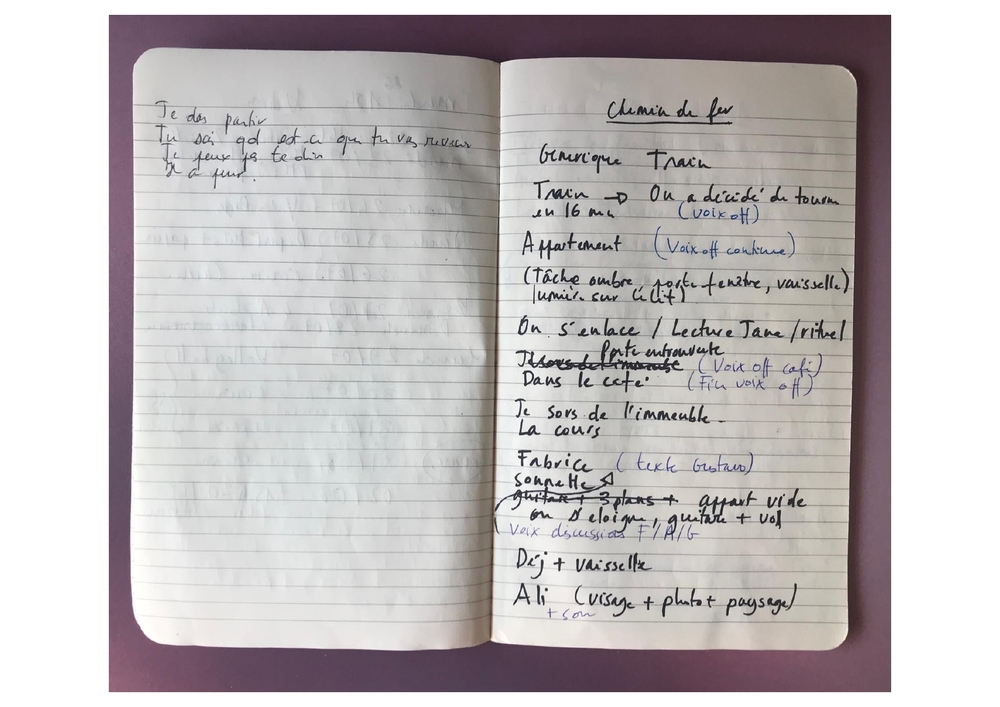
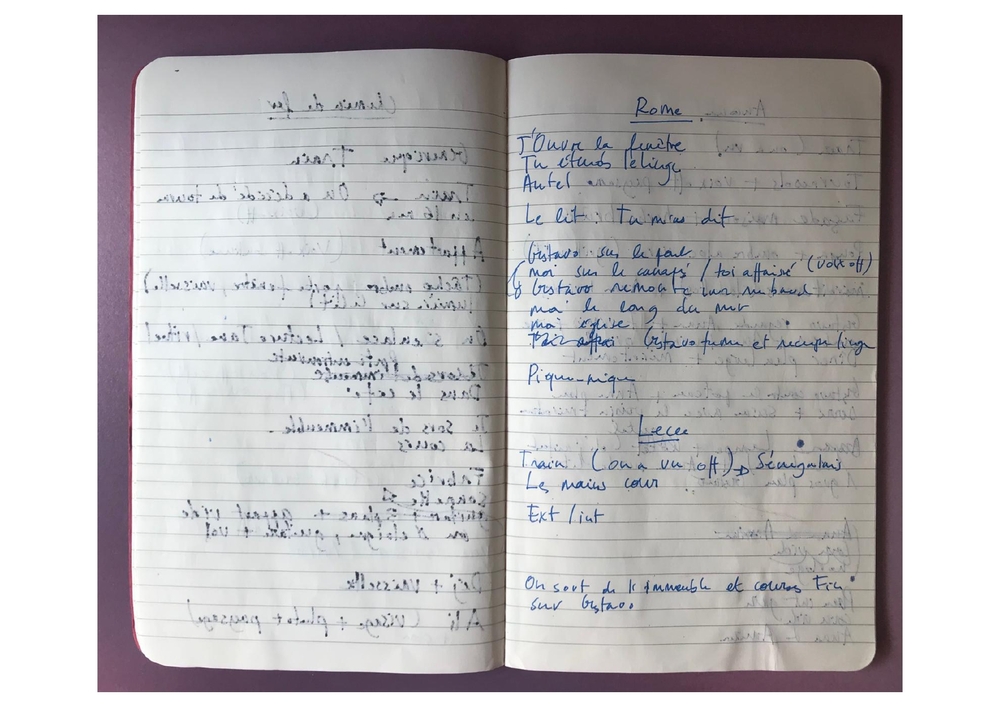
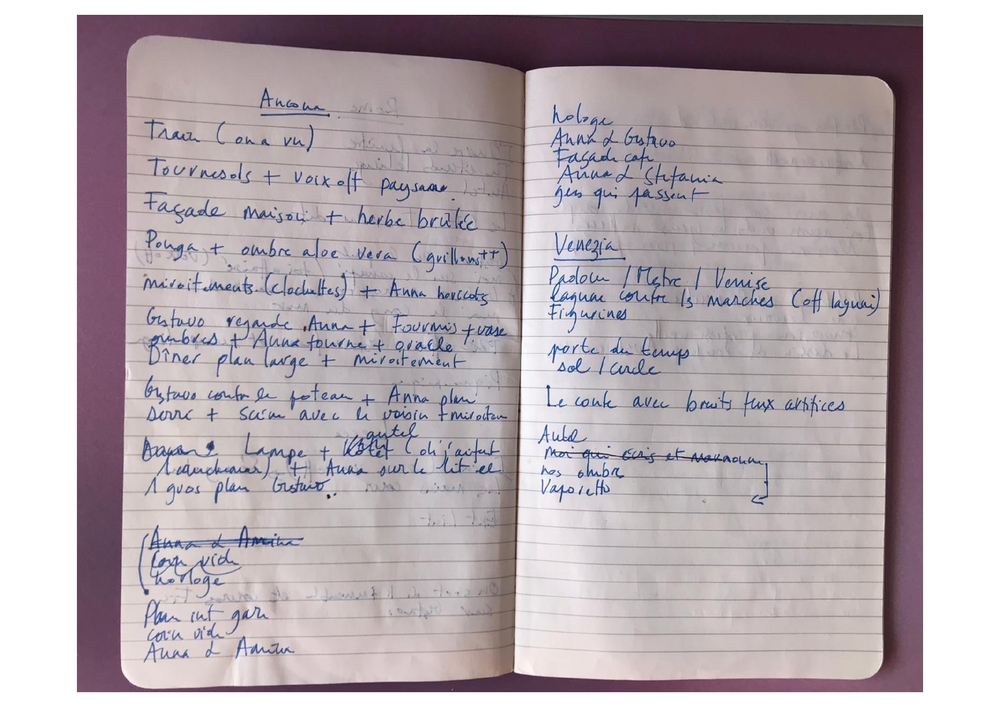
NOTAS DE PROCESSO
OBRA CONVIDADA
No Sex Last Night
1995, 76min
de Greg Shephard e Sophie Calle
Sinopse
Morávamos juntos há um ano, mas nosso relacionamento tinha se deteriorado. Tínhamos parado completamente de nos falar. Eu sonhava em me casar com ele. Ele sonhava em fazer cinema. Para convencê-lo a atravessar os Estados Unidos comigo, sugeri que fizéssemos um filme durante a viagem. Ele aceitou. Em 3 de janeiro de 1992, partimos de Nova York, em seu Cadillac cinza, rumo à Califórnia.